

Understanding the Gap Between Virality and Genuine Laughter

It's tempting to believe that a meme that racks up thousands of shares is automatically hilarious. In reality, virality and true laughter are often separate outcomes. This article explains why many viral memes fail to make people laugh and offers practical, repeatable strategies to create content that actually connects. Along the way we'll reference how a well-crafted Casino overview rating serves as an instructive parallel for building trust, clarity, and emotional response in digital content.
Why shares don't equal laughs
Many memes spread because they are instantly shareable — short, easily understood, and visually simple. That same simplicity can strip away nuance and timing, which are crucial for true humor. A meme with a catchy image and a trending caption can get circulation without triggering real chuckles. Think of a Casino overview rating: readers rely on that simplified metric to make decisions, but the rating alone doesn't convey the deeper experience. Similarly, a meme's reach doesn't guarantee it elicited a genuine emotional reaction.
Common reasons viral memes fall flat
When you audit meme performance, look beyond raw numbers. Here are the most frequent problems that turn potential comedy into noise:
- Context collapse — A meme loses meaning when context is stripped.
- Meme fatigue — Overused formats stop surprising people.
- Surface-level relatability — Content that nods to a trend but lacks depth.
- Algorithmic pressure — Content optimized for reach, not resonance.
- Mismatched audience expectations — Wrong tone for the platform.
These are the same kind of trade-offs you see with a Casino overview rating that aggregates many factors into a single number. It helps people decide quickly, but it can obscure the nuances that actually determine enjoyment. If you want laughter rather than just clicks, you must design for nuance.
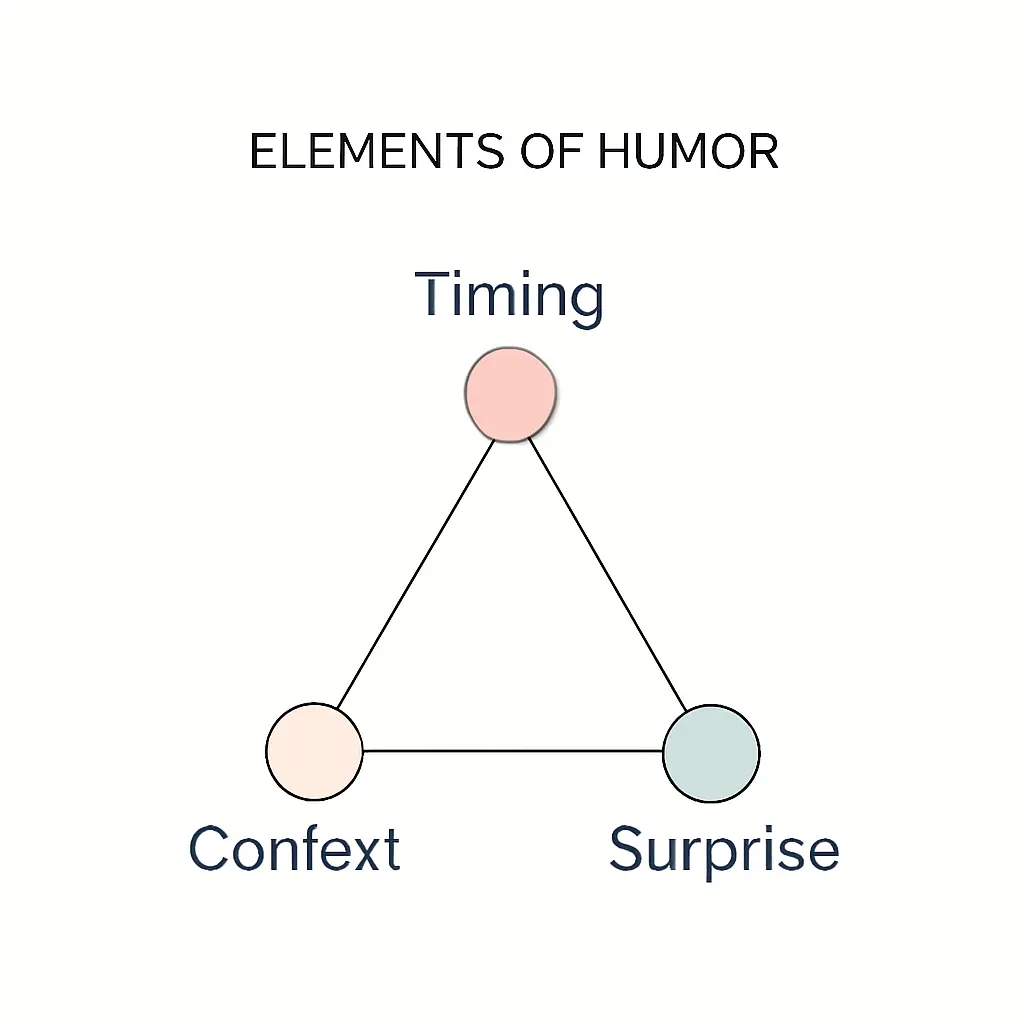
The mechanics of real humor online
True humor depends on a few reliable elements: timing, incongruity, and empathy. A viral meme can accidentally hit one of these elements, but great comedic content intentionally engineers them. Think of a thorough Casino overview rating that breaks down bonuses, RTP, and trustworthiness — the rating is useful, but the explanatory context is what helps a user make a smarter choice. In humor, that explanatory context might be a short caption, an unexpected juxtaposition, or a subtle punchline that rewards attention.
How to diagnose a meme that doesn't land
Use simple metrics to understand whether a piece of content sparked amusement or just attention:
- Measure comments that include genuine laughter (emojis or phrases), not just tags.
- Track return engagement: do people seek out more content from the creator?
- Analyze sentiment: are reactions positive and descriptive or just superficial?
Just like a credible Casino overview rating is supported by transparent data, laughter is supported by traceable engagement that shows emotional response, not just passive reach.
Practical strategies to craft content that makes people laugh
Replace the checklist approach with a craft-focused process. Below are tested steps to build humor that resonates and spreads naturally.
- Start with a clear human truth — humor that lands points to a shared experience.
- Layer surprise over empathy — unexpected images or phrasing on a relatable base.
- Respect timing — brevity and pacing are essential; more words usually reduce funniness.
- Test in small batches — iterate with niche communities before wide release.
- Measure for resonance — prioritize meaningful comments over share counts.
These principles mirror how a reliable Casino overview rating is built: clear criteria, transparent breakdowns, and iterative improvement based on user feedback.
Quick checklist: content design rules
When drafting a post, run it through this micro-checklist:
- Does it reference a recognizable situation?
- Is the surprise element concise and visible in the first second?
- Will an audience member feel seen rather than mocked?
- Can it be understood without long explanation?
Example comparisons
Below is a compact table to help you compare outcomes and decide which approach to use for a campaign aiming to produce humor that spreads because it’s funny, not just clickable.
| Feature | Typical Viral Meme | Crafted Humor Post | Casino overview rating |
|---|---|---|---|
| Primary Goal | Maximize shares | Elicit genuine laughter | Inform decision-making |
| Depth | Shallow | Layered | Analytical |
| Metrics to track | Views, shares | Comments, revisits | RTP, trust score |
| Best for | Momentary visibility | Brand affinity | Informed choices |
Notice how the table treats Casino overview rating as a parallel: both ratings and crafted humor require thoughtful signals to be trusted by audiences.
Case study: turning a bland meme into a laugh
A content creator noticed a stock meme format performing well in reach but with few laughs. They changed three things: tightened the punchline, added a tiny detail referencing a shared industry frustration, and invited a playful call-to-action. The result: fewer immediate shares but a 3x increase in comments that explicitly said the post was funny. That kind of qualitative lift is the same payoff you see when a good Casino overview rating converts browsers into engaged readers who trust the nuance behind the score.
Measuring long-term value
Short-lived virality is easy to achieve; sustained humor that builds community is harder. Use a mix of quantitative and qualitative signals:
- Quantitative: comment-to-view ratio, repeat visits, follower growth.
- Qualitative: message transcripts, user stories, sentiment trends.
Just as sites iterate on a Casino overview rating to reflect changing offers and regulations, creators should update their humor playbook based on fresh audience feedback.

Takeaways and practical next steps
To create content that genuinely makes people laugh, prioritize empathy, context, and craft over shortcuts that chase shares. Use small tests, measure for resonance, and refine your voice. If you treat your content strategy like the methodology behind a rigorous Casino overview rating — with clear criteria, transparent reasoning, and iterative updates — you'll get laughter that lasts and spreads organically.
Conclusion: From viral noise to meaningful humor
Viral metrics can be misleading: they often reward immediacy rather than emotional impact. By focusing on the mechanics of humor and treating evaluation like a thoughtful Casino overview rating, you can design posts that do more than go viral — they build connection. Start small, value qualitative signals, and remember that a true laugh is evidence of connection, not just a click.


To leave a comment, please sign up or log in
Log in / Sign up